
The expectations are higher, the competition fiercer, and the attention span of your audience shorter than ever. Your brand must instantly communicate who you are, what you offer, and why it matters, without losing authenticity. To build a strong brand identity, know your audience well. Leverage technology to boost your efforts. This applies to startups launching products or established businesses changing direction. Stay consistent in your messaging and customer experience.
The Foundation: Understanding What Brand Identity Means
Brand identity shows what your business stands for. It includes visual elements, tone of voice, user experience, and the emotions you evoke. It's how customers see your company, use your products, and set you apart from competitors. Today’s consumers are smarter and more informed. They seek brands that align with their values and provide meaningful experiences. A successful brand identity not only reflects your mission and values but also speaks directly to the needs and desires of your audience. Small businesses need to invest in technologies and services. These should enhance clarity, usability, and emotional appeal in their branding efforts.
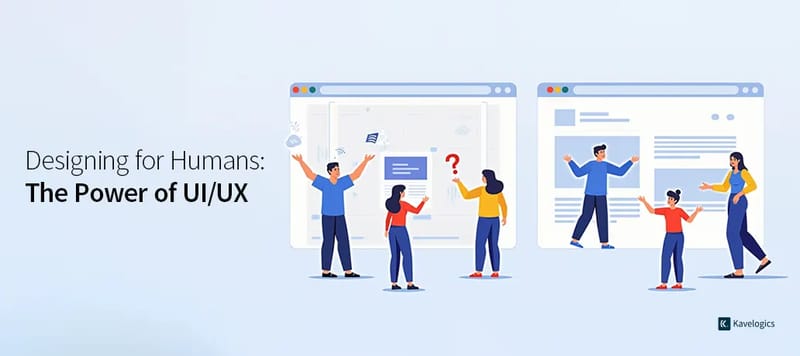
Designing for Humans: The Power of UI/UX
Your digital brand experience starts with your user interface. In an age where first impressions are often made on a screen, investing in UI/UX designing services is not optional; it's essential. Clean and easy-to-use interfaces show professionalism and trustworthiness. But bad designs drive users away fast. UI/UX design for small businesses should prioritize simplicity, accessibility, and emotional connection. Every element, from button placement to color palette, affects how users perceive your brand. When your design choices show your brand’s values and boost usability, you're not just offering a service. You're also building a relationship. Startups need to make sure their UI/UX shows their unique value. Mobile and web experiences are now key to customer journeys. Small businesses can excel with good design thinking. They can create digital experiences that compete with those of large companies.
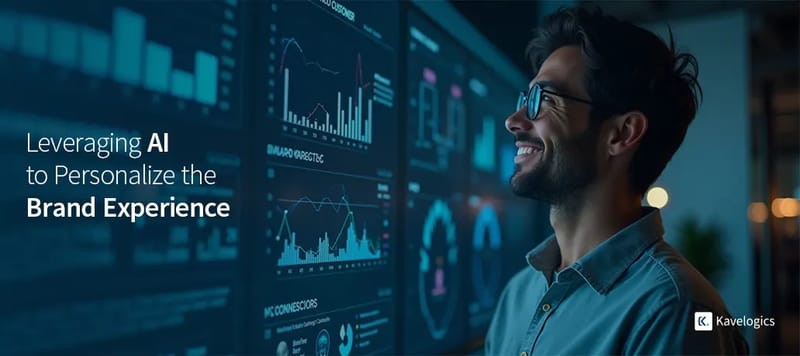
Leveraging AI to Personalize the Brand Experience
Artificial Intelligence has revolutionized how brands engage with their audiences. With the support of AI development services, businesses can collect, analyze, and act on customer data in real-time. This enables hyper-personalized experiences that feel both relevant and valuable. Modern users expect more than static content; they want interactions that adapt to their needs. AI-driven web development helps small businesses offer customized product suggestions, engaging landing pages, and easy automated support. AI is key in branding. It helps spot patterns in customer behavior, analyze sentiment, and optimize campaigns. These insights empower brands to refine messaging, adjust visual identity, and maintain relevance. AI automation helps small businesses run better and keep their brand strong. It ensures marketing, customer interactions, and content delivery. They are consistent at every point of contact.
Building Your Platform the Smart Way: No-Code SaaS for Agility
No-code SaaS platform development is a game-changer for SMBs with limited resources. No-code tools empower teams to bring digital ideas to life without relying on complex coding. Democratizing development brings faster changes, lower costs, and better brand and function alignment. With the rise of AI in no-code app development, small businesses can now embed smart features into their platforms with minimal effort.
These platforms help create a modern brand experience. They do this by integrating chatbots, personalizing user dashboards, and automating data collection. No-code isn’t just about convenience; it’s about agility. To keep your brand fresh and engaging, update your platform quickly. This helps you stay relevant as the market and customer needs change.
Laying the Technical Foundation: Full Stack Development
No-code tools are great, but sometimes custom web development offers more flexibility and scalability. Engaging full-stack web development services helps businesses build strong, high-performing digital platforms. These platforms support long-term brand goals. Full-stack development includes both front-end (what users see) and back-end (how the system works). It ensures smooth integration between the user interface, data management, and server logic. This alignment means branding isn’t just about visuals. It also covers functionality and reliability. Users interact with brands more through websites and apps. The performance, speed, and reliability of these platforms affect how people see the brand. Custom-built solutions provide the scalability and control brands need. They help fulfill promises during complex user journeys.
Custom Solutions Tailored for Growth
Every business is unique, and off-the-shelf software rarely reflects that. Custom software solutions help startups design features. That fit their brand, business model, and growth plan. Investing in custom software helps SMBs align their tools, workflows, and customer experiences with their brand right from the start. These tools can be a booking system, a custom e-commerce site, or an internal dashboard. They help provide personalized customer service. Also, they become part of the brand. Customization keeps your brand’s tone, look, and function consistent. This holds even if your offering is complex or unique.
Rebranding for the Future: The Role of Website Redesign
As businesses evolve, so must their digital presence. A brand identity that once resonated may lose its impact over time. That’s why website redesign for small business growth has become an essential part of branding strategy in 2025. Redesigns are not about visual refreshes alone. They’re about realigning your brand with your current mission, audience expectations, and market trends. They allow you to reassess your user flows, messaging, and overall digital tone. Modern redesigns focus on speed, mobile responsiveness, personalization, and accessibility. They use feedback from users and insights from AI analytics. This helps your brand provide value in every interaction. A good redesign does more than bring in new visitors. It also reengages loyal customers and strengthens your brand’s trust and growth.
Branding in the Age of Agility and Innovation
The branding landscape of 2025 is shaped by rapid innovation and consumer empowerment. Audiences have endless choices now. They want brands to be real, quick, and meaningful in their interactions. To succeed today, businesses need to mix creativity with technology. They should combine storytelling with strategy and connect identity with experience. Kavelogics and similar companies are driving this change. They offer solutions that unite design, development, automation, and personalization into one vision. When businesses see branding as a whole process, they can create strong identities. This includes UI/UX, AI-driven personalization, scalable architecture, and agile development.
From Perception to Loyalty: Measuring Brand Success
Building a resonant brand identity is not a one-time project; it’s a continuous process. A brand's success depends on three key things: how well it keeps its promises, how it handles change, and how strongly it connects with its audience. Businesses should regularly check brand health. They can do this by using customer feedback, engagement metrics, and sentiment analysis. This data sharpens strategies, sparks innovation, and deepens emotional connections with the audience. AI development services and custom analytics dashboards help businesses track metrics instantly. This lets them make smart decisions and improve their brand story. Ultimately, a strong brand identity is not just what people see; it's what they feel. It’s the perception they carry after each interaction and the story they tell others about your business.
Final Thoughts: Identity Is Your Ultimate Differentiator
In a crowded and fast-paced market, brand identity is your most valuable asset. It’s what makes you recognizable, trustworthy, and memorable. It’s not just about visuals, it’s about how your business makes people feel. Using services like UI/UX design, AI automation, full-stack development, and custom software, you can build a strong identity. This identity will communicate clearly and connect meaningfully.
In 2025 and beyond, brands will compete for attention. Those that create strong, tech-driven brand identities will not just survive; they will thrive. Whether you’re starting fresh or refining your legacy, remember: your brand is not what you say it is. It’s what your audience believes it is.