

1. Hyper-Personalization with Generative AI
By 2025, a customer's first name will no longer be the only way to personalize an email. The era of hyper-personalization is upon us, in which every piece of content—be it a marketing email, product recommendation, or homepage banner—is dynamically adjusted to the actions, inclinations, and intentions of the individual.
Generative AI makes this possible. While AI systems evaluate consumer behavior in real time to suggest customized trips, ChatGPT and Midjourney are assisting marketers in quickly creating various content versions.
For example, depending on a user's location and exercise habits, a fitness app may present a customized content feed.
Personalized onboarding sequences can be automatically generated by a SaaS firm according to the goals and role.
Tip: Use AI-powered CRMs like HubSpot or ActiveCampaign to begin with customized email messages. Test customized CTAs and further segment your user base.
2. First-Party Data is the New Competitive Edge
First-party data is the new gold standard as privacy laws become stricter and third-party cookies become less useful. This is information that your company gets straight from customers through interactions, purchases, preferences, and signups.
Businesses that mostly rely on sponsored advertisements in 2025 and don't have a plan in place to own their audience data will be at risk. Building openness and trust is the trend, and people are more inclined to divulge information if they receive something of value in exchange.
Methods of collecting first-party data:
✔️In return for user insights, provide special downloads, webinars, or loyalty points.
✔️Make use of interactive resources such as calculators and quizzes.
✔️Make content places exclusive to members.
Tip: Be open and honest about how you use the information. Customers are more likely to interact with and trust brands that value them and protect their privacy.
3. Voice Search & Conversational Content
"Hey Google, where can I buy eco-friendly cleaning products near me?"
Voice search has arrived, and by 2025, it is a commonplace method of discovery rather than a niche one. Voice-based searches now account for more than half of mobile and smart home searches, and they are typically lengthier, more organic, and more question-based.
This change is altering the way we create content. Product descriptions, blogs, and frequently asked questions should all be conversational and organized around organic queries. Featured snippets, or zero-click content, and schema markup are also essential for making your material discoverable by voice assistants.
Tip: Include an FAQ section on your pages that is similar to "People Also Ask." To determine the actual questions your audience is asking, use resources such as AlsoAsked or AnswerThePublic.
4. Short-Form Video Dominance
Short-form video is not only popular, it is taking over. The need for 60-second, scroll-stopping video content is greater than ever in 2025, as platforms like YouTube Shorts, Instagram Reels, and TikTok continue to flourish.
What has altered is that these videos are now linked to conversion rather than merely awareness. You can broadcast in-feed video ads with dynamic calls to action, highlight shoppable products, and embed links. These movies are impactful, inexpensive, and readily repurposed.
Effective content:
✔️Short guides or advice
✔️Behind the scenes of the office
✔️Explainers of products
✔️Customer reviews
Tips: A production crew is not necessary. Genuineness is more effective. Quickly edit mobile-first films using Canva or CapCut, then add captions for quiet watching.
5. AI in Content Creation (But Keep the Human Touch)
AI is becoming a standard component of marketing processes and is no longer just a trendy term. By 2025, marketers can use AI tools to create blog outlines, product descriptions, content repurposing, and even suggestions for A/B testing.
The catch is that those who can blend human innovation with AI speed will emerge victorious. AI cannot completely replace the storytelling, emotional connection, and distinctive brand voices that audiences still seek.
Effective marketers employ AI to:
✔️Create initial drafts of the copy, then make it more relatable.
✔️Quickly create design variations for testing.
✔️Condense lengthy content into brief social media updates.
Tips: Make your brand style manual for artificial intelligence products. To maintain a consistent voice, feed them information about your audience, preferred language, and tone.
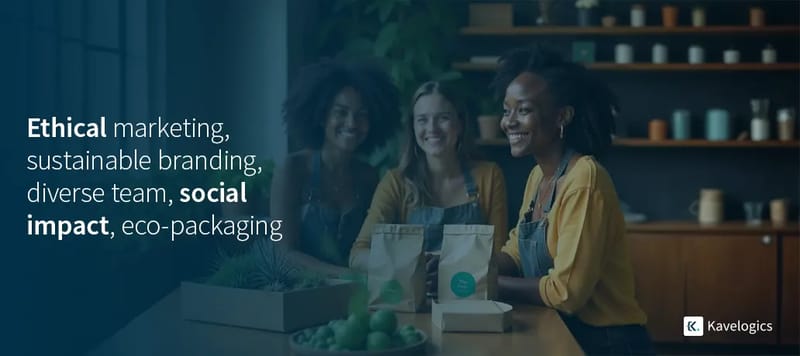
6. Ethical Branding & Conscious Marketing
Customers of today, particularly Millennials and Gen Z, expect brands to be guided by values rather than just products. By 2025, selling is only one aspect of ethical marketing; another is what you stand for.
Concerns about social justice, fair trade, sustainability, and diversity are being raised by brands. But it's all about genuineness. It's easy to identify performative initiatives like rainbow washing and greenwashing. However, engagement and long-term loyalty are rising for firms that actually incorporate ethical principles into their operations and marketing.
Examples of ethical branding
✔️Sharing reports on carbon offsets
✔️Including a variety of partners and creators
✔️Assisting local communities with apparent projects
Tip for SMBs: Even minor steps count; emphasize your source, people, and process. Your community will react if you are open and truthful.
Conclusion:
The landscape of digital marketing in 2025 is more user-centric, ethical, and intelligent than it has ever been. It's about how we utilize them, not simply about the tools themselves. Startups and SMBs may not only stay up to date but also set the standard by embracing AI responsibly, emphasizing true customization, and leading with purpose.
Maintain your agility. Remain human. Keep your curiosity alive.